5 Zone Event B-Roll Checklist: Editor-Ready for Conferences
%20(1)%201.png)
.png)
.png)
August 21, 2026
%20(1).jpg)

Eight video formats cover nearly every corporate marketing goal: brand films, product demos/explainers, testimonials and case studies, training and onboarding, recruitment and culture videos, event recaps, social-first short clips, and executive or investor messages. The rule for picking among them is simple: match the format to the funnel stage. Awareness goals call for brand films and social shorts, consideration goals call for demos and case studies, and retention or internal goals call for training content.
Before booking any shoot, run through three questions: What’s the business goal (sales, hiring, awareness)? Who’s the audience (buyers, candidates, employees)? Where will it live (website, LinkedIn, a sales deck, an LMS)? Get those three answers right and the rest of the plan writes itself.
Corporate video works best as a system: match each format to a funnel stage, and capture multiple deliverables from every single production day.
| Point | Details |
|---|---|
| Start with 2 to 3 formats | Pick a demo, a testimonial, and one recruitment or brand asset before expanding further. |
| Match format to funnel stage | Brand films drive awareness, demos and testimonials drive consideration and conversion, training supports retention. |
| Budget by complexity | Expect roughly $500 to $3,000 for social shorts and $8,000 to $25,000 for a full brand film. |
| Capture for reuse | Brief every shoot to produce B-roll and cutaways so one session yields several finished videos. |
| Book a multi-format shoot | studio2U’s portable on-site model delivers brand, testimonial, and social assets from a single five-day-turnaround session. |
Not every company needs all eight formats right away, but understanding what each one does helps you avoid the most common mistake in video marketing: producing content with no clear job to do.
Goal: build emotional connection and communicate mission or differentiation. Length: 60 to 90 seconds for a hero cut, sometimes stretched to 3 minutes for a website “about” page. Where it runs: homepage, investor decks, LinkedIn, paid awareness campaigns. Production tip: shoot founder and employee interviews first, then build the narrative around real answers rather than a scripted voiceover.
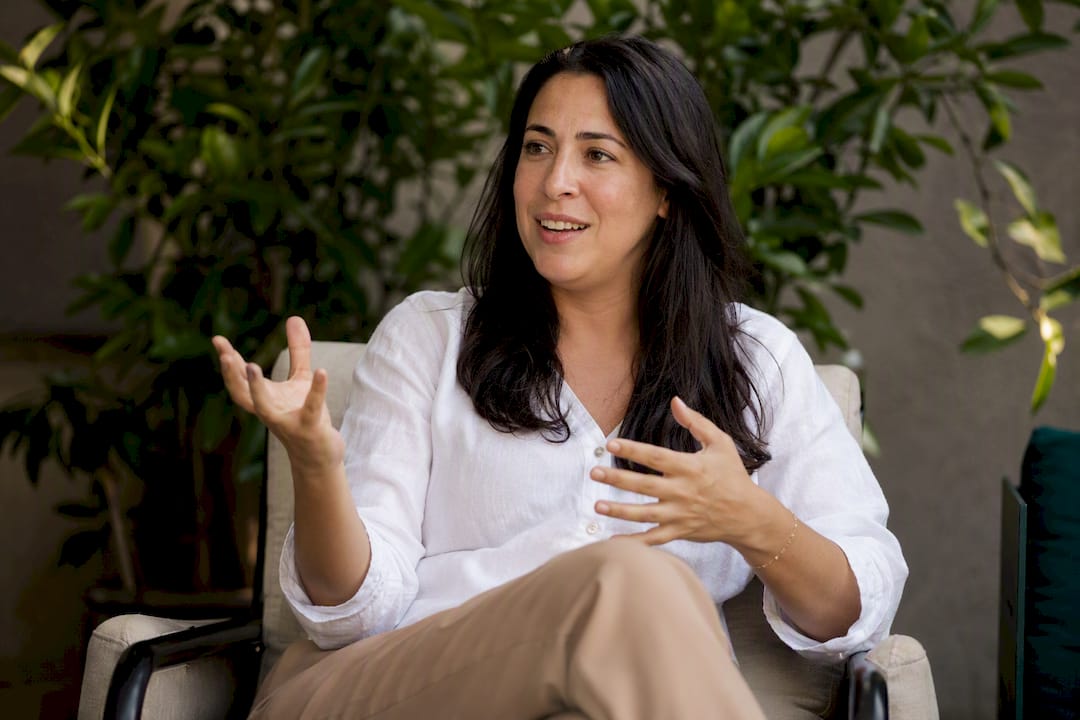
Goal: show how the product works and why it solves a specific problem. Length: 2 to 5 minutes is the sweet spot for most explainers and demos; anything longer loses viewers fast. Where it runs: product pages, sales calls, retargeting ads. Production tip: script around one user problem per video instead of trying to cover every feature.
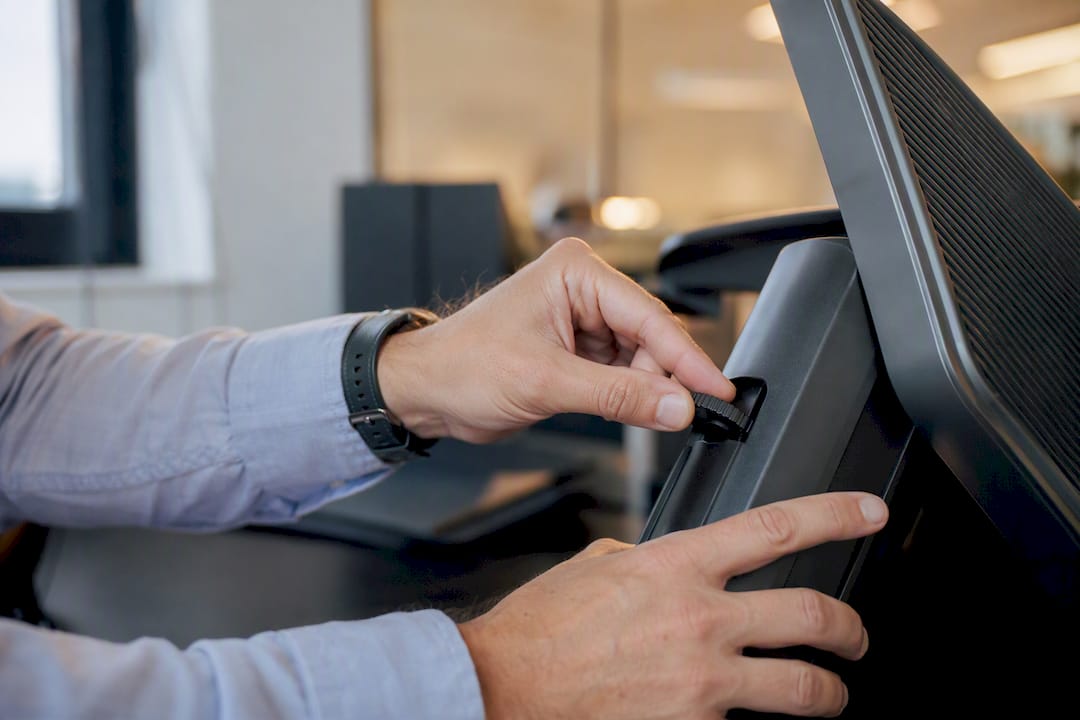
Goal: convert prospects by letting a real customer make the sales case. Length: 60 to 120 seconds per testimonial, longer for a detailed case study cut. Where it runs: sales enablement decks, landing pages, email nurture sequences. Testimonials tend to carry outsized weight in the conversion stage of the funnel, often outperforming product-led content when trust is the barrier to closing.
Goal: standardize internal knowledge transfer and cut ramp-up time for new hires. Length: modules can run up to 30 minutes total, though breaking them into 3 to 5 minute chapters improves completion rates. Where it runs: LMS platforms, internal wikis, new-hire orientation. Production tip: film in modular segments from the start so HR can update one section without reshooting the whole library.
Goal: attract candidates by showing what it’s actually like to work somewhere. Length: 60 to 90 seconds for a culture teaser, 2 to 3 minutes for a deeper “day in the life” piece. Where it runs: careers pages, LinkedIn, job postings. A well-shot employer brand video often does more to fill a hiring pipeline than another line item in a job ad budget.

Goal: extend the life of a conference, product launch, or internal event well past the day it happened. Length: a 60 to 90 second recap for social, plus a full session cut for education. Where it runs: YouTube, sponsor reports, email follow-ups. Production tip: capture attendee and speaker interviews on-site, since those clips repurpose into social content for months.
Goal: drive reach and engagement in feed-native formats. Length: roughly 30 seconds, vertical, captioned. Where it runs: Instagram, TikTok, LinkedIn, YouTube Shorts. These typically cost the least to produce per asset but need the highest volume to move the needle, which is why they work best when cut from a larger shoot rather than produced standalone.
Goal: build credibility with investors, media, and enterprise buyers who need to hear directly from leadership. Length: 90 seconds to 2 minutes. Where it runs: investor updates, press kits, LinkedIn thought leadership. A founder story video shot once can be re-cut for fundraising decks, recruiting pages, and PR outreach without a second production day.
Pro Tip: Never book a shoot for a single deliverable. Brief your production team to capture extra B-roll and interview cutaways during the same session, and one day of filming can yield a brand video, two testimonials, and four social clips instead of one finished file.
Video consumption keeps climbing across every buyer and hiring audience, and engagement benchmarks back up why companies keep expanding beyond a single “corporate video” into a full library of formats. Testimonials in particular tend to punch above their production cost because trust, not features, closes most B2B deals.
Start with two or three foundational formats before building out a full library. A reasonable starting stack:
Before locking a production date, answer four questions: Who is the exact audience? What funnel stage are they in? How will you measure the result? What secondary assets do you need pulled from the same footage? Skipping that last question is the single most common reason companies end up rebooking a crew three months later for something that could have been captured the first time.
Pro Tip: Treat every shoot as a content engine, not a single deliverable. Studio2U briefs each session to capture B-roll, interview cutaways, and alternate angles specifically so one shoot day supports several finished formats.
Ballpark production cost ranges by complexity:
The biggest swing factors: crew size, number of locations, whether talent needs coaching, animation or motion graphics, revision rounds, music licensing, and accessibility work like captioning. Budget checkpoints worth tracking: the preproduction brief, the shoot day itself, the first cut review, and final delivery. Skipping the brief is the fastest way to blow past both the budget and the timeline.
Match the platform to the format: brand films and demos belong on the website and product pages, testimonials and case studies work best in sales decks and LinkedIn, social-first shorts belong on Instagram and TikTok, and training content stays inside the LMS or internal portal.
KPIs should follow the funnel stage, not a generic “views” number:
One long-form shoot easily repurposes into three or four social clips, an FAQ page embed, and a sales enablement cutdown, which is usually where the real return on the production budget shows up.
A practical six to twelve month plan looks like this:
A single on-site shoot can realistically deliver one brand hero video, two testimonials, four social clips, and a handful of training snippets, all from the same day of filming. Studio2U runs this model nationally with a portable production setup that travels to offices, events, and portfolio companies, which keeps quality consistent even across multiple office locations.
Pro Tip: Handle captioning and talent release forms during production, not after. Building accessibility and legal into the shoot day avoids a costly second round of edits later.
Every person who appears on camera, employee, customer, or event attendee, needs a signed release form before the footage goes anywhere near a public channel. This matters even more for customer testimonials, where a company is using someone’s name and likeness in paid advertising, not just organic content.
Music and stock footage licensing trips up more marketing teams than almost anything else. A track that sounds free because it showed up in a royalty-free search still needs the correct license tier for the intended use, and using an unlicensed song in a paid ad campaign can trigger a takedown or a legal claim months after the video launches.
For testimonials and case studies specifically, confirm the customer has approved the final cut in writing, including any statistics or claims about results attributed to your product. If the video makes a specific performance claim (“cut onboarding time by half”), keep documentation supporting that claim on file, since regulators and platforms increasingly scrutinize unsubstantiated marketing claims in video ads.
Captioning isn’t just an accessibility best practice, it’s increasingly treated as a baseline production requirement. Open captions widen reach on social platforms where most viewers watch with sound off, and closed captions or audio descriptions support compliance with accessibility guidelines for company websites and internal training platforms. Build both into the production brief rather than adding them after the fact, since retrofitting captions onto a finished edit costs more than including them in the original workflow.
The companies that get the most out of video treat every shoot as raw material for several formats, not one polished file. Clients who plan this way consistently see faster sales cycles and stronger candidate pipelines within a quarter.
Most agencies book you for one deliverable at a time, which means paying for a new production day every time marketing needs a fresh asset. studio2U works differently: our nationwide teams bring portable studios directly to your office, event, or portfolio company and structure each session to capture multiple formats at once, brand footage, testimonials, training clips, and social cutdowns, in a single day.
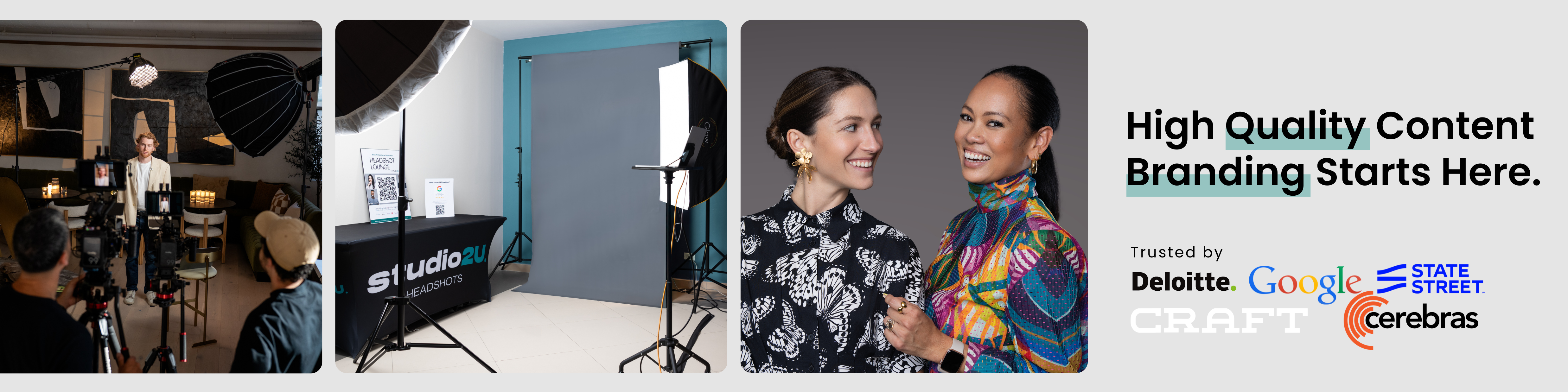
Turnaround runs on a five-day standard, so you’re not waiting weeks to deploy content while a launch or hiring push is still fresh. If you’re planning your next round of corporate video, book a session with studio2U and walk away with a library, not just a single file.
A product demo, a customer testimonial, and either a brand story or recruitment video cover most early marketing and hiring needs without overextending a first-year video budget.
Social clips run about 30 seconds, explainers and demos typically land between 2 and 5 minutes, and training modules can stretch up to 30 minutes when broken into chapters.
Costs range from roughly $500 for a simple social clip to $25,000 for a fully produced brand film, with crew size, locations, and animation work as the main cost drivers.
Yes. A single on-site session, the model studio2U builds around, can generate a brand hero video, several testimonials, social clips, and training snippets from one day of filming.
Track reach and brand lift for awareness videos, watch time and demo requests for consideration content, and completion rate or time-to-productivity for internal training videos.
